
The hidden influences of psychology in gambling behavior
The hidden influences of psychology in gambling behavior
The Role of Cognitive Biases
Cognitive biases play a significant role in shaping gambling behavior. One of the most prominent biases is the illusion of control, where gamblers believe they can influence the outcome of random events. This can lead to overconfidence and increased betting, as players feel that skill can tip the odds in their favor, even in games of chance like slots or roulette. Many players turn to the KatanaSpin gambling site to test their luck, unaware of the psychological traps they might encounter.

Another common bias is the gambler’s fallacy, which occurs when individuals incorrectly assume that past events can influence future outcomes. For instance, a player might think that a slot machine is ‘due’ for a win after a series of losses. These cognitive errors can drive players to continue gambling despite financial losses, perpetuating a cycle that can be difficult to break.
The Impact of Emotions on Decision-Making
Emotions significantly affect decision-making in gambling contexts. Positive emotions, like excitement and euphoria, can lead to more aggressive betting behavior, as players feel invincible and are likely to ignore potential risks. Conversely, negative emotions such as stress or sadness can push individuals to gamble as a coping mechanism, further clouding their judgment.
This emotional rollercoaster can result in irrational choices, with players often chasing losses in hopes of recouping their funds. Such behaviors can lead to a dangerous escalation in gambling habits, ultimately resulting in substantial financial consequences and emotional distress.
The Influence of Environment and Social Factors
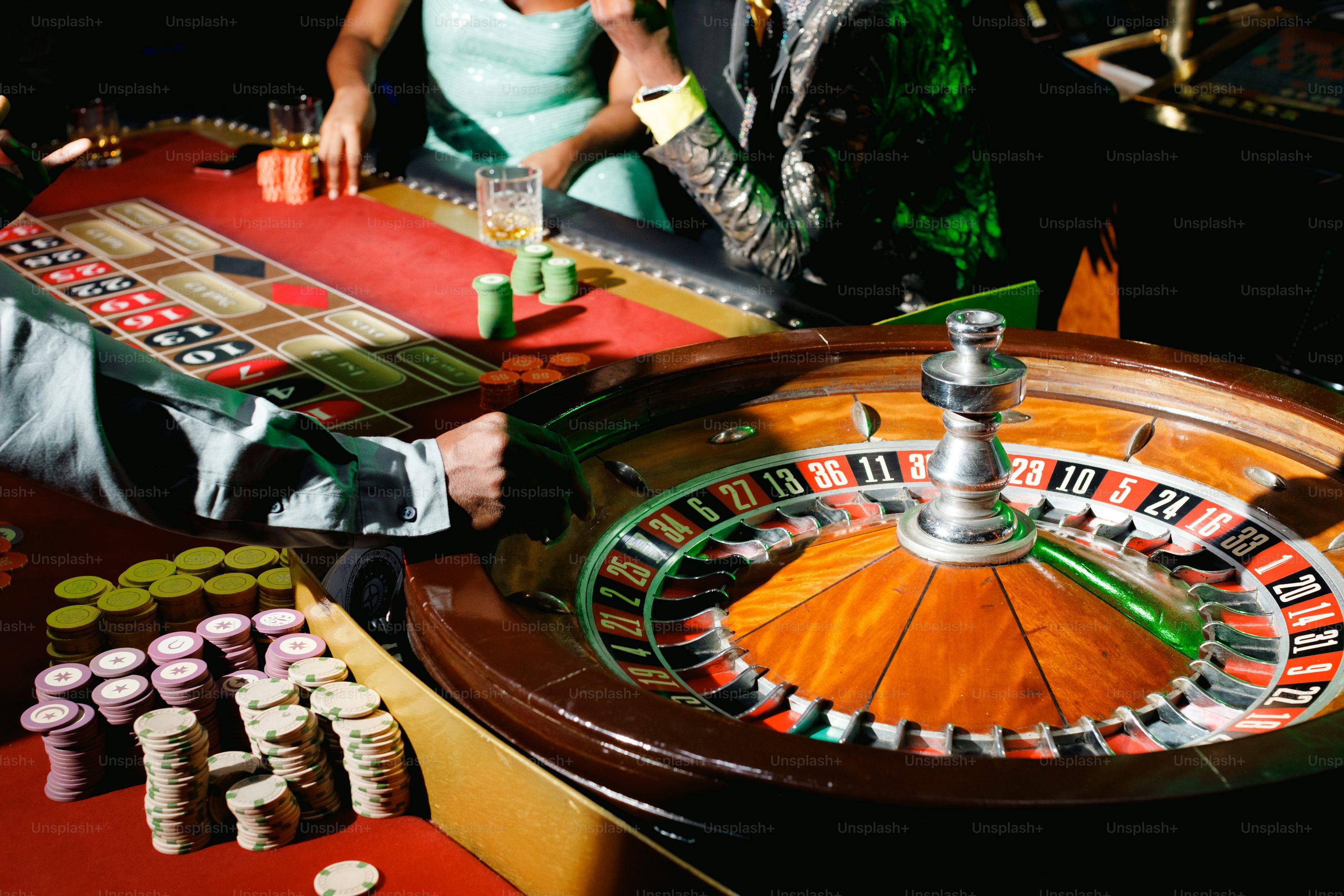
The gambling environment can profoundly influence behavior. Factors such as lighting, sound, and the overall atmosphere of a casino can heighten excitement and create a sense of urgency, encouraging players to spend more time and money than they originally intended. For instance, the use of bright lights and enticing sounds in slot machines is designed to grab attention and maintain engagement.
Social factors also play a role, as peer influence can encourage gambling behavior. Being in a group setting can amplify the excitement and create a shared sense of risk, leading to increased betting. This social dynamic can result in individuals making choices they might not make alone, such as wagering larger sums or continuing to play longer than planned.
The Appeal of Rewards and Reinforcement
Rewards and reinforcement are key psychological elements that drive gambling behavior. The intermittent reinforcement schedule, where rewards are given unpredictably, creates a stronger motivation to play, as players never know when they might hit a jackpot. This unpredictability keeps the excitement alive, encouraging repeat visits to casinos or online platforms.
Discovering Exciting Opportunities at KatanaSpin
KatanaSpin offers an immersive online gaming experience, combining the thrill of gambling with an extensive selection of games. By understanding the psychology behind gambling behaviors, KatanaSpin aims to create an environment that is not only entertaining but also encourages responsible gaming. The platform features numerous slots and live dealer options designed to engage players while offering transparency and support.
“`